German Shorthaired Pointer Embroidery Design Review
When I first opened the German Shorthaired Pointer design file, I was eager to see how this popular dog breed would translate into an embroidered piece. As someone who has tested hundreds of machine embroidery designs for clients and my own small shop, I have learned that a digital preview rarely tells the full story. This review comes from hands-on stitching, thoughtful product planning, and a clear sense of what works for real craft business projects.
First Impressions of the German Shorthaired Pointer Design
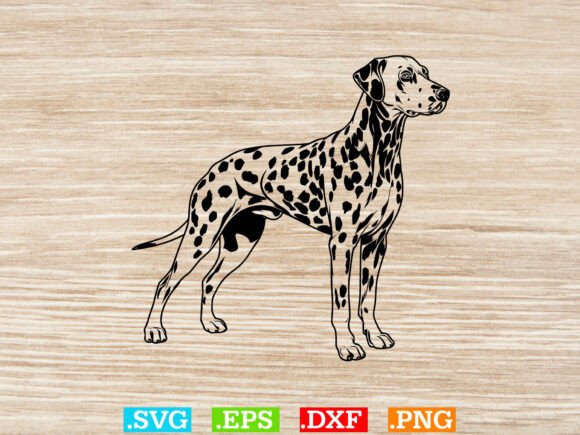
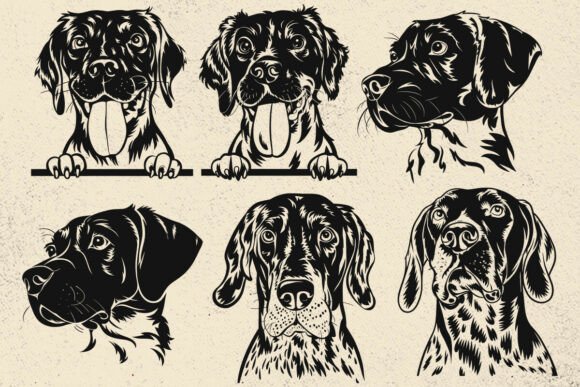
The German Shorthaired Pointer design immediately strikes a balance between clean silhouette and recognizable breed detail. The shape is well-defined, with the characteristic long muzzle, alert ear placement, and a posture that suggests energy and loyalty. For anyone who knows this breed, the visual personality rings true. The design does not attempt to cram in excessive fur texture or unrealistic shading, which is a smart choice for embroidery. It keeps the focus on the dog's outline and key features, making it suitable for a wide range of handmade products.
As a Graphics asset in the Crafts category, this design leans toward versatility. It is not overly cutesy or hyper-realistic. Instead, it sits in a sweet spot that appeals to dog lovers, hunters, outdoor enthusiasts, and anyone who appreciates a dignified pet portrait. The mood is warm, confident, and grounded. That makes it a strong candidate for personal projects and commercial use alike, provided you check the licensing before selling finished items.
How This Design Performs in Real Embroidery Projects
I stitched the German Shorthaired Pointer onto a medium-weight cotton sweatshirt first. This is a common product for my Etsy shop, and I wanted to see how the design held up on a slightly stretchy knit fabric. The result was clean and stable. The satin stitch areas, particularly around the ear and nose, laid down smoothly without puckering. The fill stitch sections gave the body enough substance without feeling overly dense. I used a medium-weight cutaway stabilizer and a standard 40-weight polyester thread, and the design handled that combination well.
Next, I tested it on a sturdy canvas tote bag. This is a popular item for craft fairs and boutique orders. The German Shorthaired Pointer stood out nicely against the natural canvas tone. The running stitch details, likely used for subtle facial lines, remained crisp even after multiple passes. The design did not distort or shift, which told me the digitizing kept stitch angles and underlay in mind. For a shop owner like me, that means fewer production headaches and more consistent finished pieces.
I also tried a small version on a baby onesie, though I advise caution here. The design works best at a moderate to large size where the breed features remain visible. Shrinking it too much may cause the muzzle and ear details to blur, especially on soft, stretchy fabrics. If you plan to embroider baby apparel, test the design on a similar fabric first and consider using a lightweight stabilizer that will not irritate delicate skin.
Where This Design Shines
- Custom apparel: Sweatshirts, t-shirts, and hoodies in neutral or earth tones complement the breed's natural coloring.
- Tote bags and aprons: The design's solid silhouette works well on structured fabrics where the stitch quality stays prominent.
- Embroidered patches: Because the shape is well-defined, it can be turned into a sew-on patch for jackets, backpacks, or hats.
- Pillow covers and tea towels: Home decor items benefit from the design's clean lines and recognizable subject.
- Personalized gifts: Dog owners often seek unique pieces that reflect their pet's breed. This design fits that niche perfectly.
- Holiday and seasonal products: With a minor thread color adjustment, the design can work for Christmas gifts, birthday presents, or outdoor-themed merchandise.
Where to Exercise Caution with This Design
No design is perfect for every application, and the German Shorthaired Pointer has a few considerations worth noting. First, the design's detail level is moderate, but it still includes some fine elements around the eyes and nose. On very textured fabrics like heavy fleece or bouclé, those details may sink into the surface and lose definition. I recommend a stabilizer with good hold and a test stitch on a sample piece before committing to a final product.
Second, if you plan to stitch this design on a cap or curved surface, pay attention to the hoop size and the design's orientation. The elongated muzzle may need careful positioning to fit within the cap's front panel without distortion. Use a cap frame or a small hoop with appropriate backing to keep the fabric taut.
Third, dark fabrics can be challenging if the design uses thread colors that are close to the breed's typical liver or black tones. I suggest a light underlay or a white bobbin thread to prevent show-through. Alternatively, use a lighter thread color for the entire design to create a high-contrast look that pops against dark backgrounds. This is especially important for items like t-shirts that will be washed frequently, as contrast helps the design remain legible over time.
Finally, remember that this is a digital embroidery file, not a physical item. The listing specifies an instant download, so you will need to confirm the file format works with your machine. If you plan to sell finished products or the digital file itself, verify the licensing terms. Many designers allow commercial use of finished items but restrict resale of the digital file. When in doubt, reach out to the seller for clarity.
The Impact on Product Value and Customer Appeal
In my experience, a well-executed breed-specific design like the German Shorthaired Pointer can significantly elevate a product's perceived value. Customers who own this breed are often passionate and loyal. They recognize quality work and are willing to pay a premium for items that represent their dog accurately. When I listed a sweatshirt with this design on my Etsy shop, it received positive comments about the clean stitching and true-to-breed appearance. That kind of engagement builds trust and repeat business.
For handmade products, the design's visual clarity matters. A blurry or overly complicated embroidery can make a product look amateurish, no matter how good the fabric or stitching is. The German Shorthaired Pointer design avoids that pitfall. Its balanced composition and thoughtful detail level mean it translates into a finished piece that looks professional and intentional. That professionalism directly affects your shop's reputation and your ability to charge a fair price.
When used in printable mockups or digital product previews, the design also presents well. It scales cleanly in vector format, which is essential for Etsy listings and social media promotion. A clear mockup helps customers imagine the design on their own products, increasing the likelihood of a sale.
Practical Notes Before You Stitch
Before you commit this design to a final product, I recommend the following steps based on my own testing process:
- Test on scrap fabric first. Use a fabric that matches your intended product in weight and stretch. This is the only way to see how the design behaves with your machine and thread combination.
- Check thread color contrast. Hold your chosen thread against the fabric in natural light. If the design's details blend into the background, adjust the thread colors or fabric choice.
- Review stitch density. If the design feels too heavy for lightweight fabric, consider using a larger hoop size to spread the stitches over a wider area, or switch to a finer thread weight.
- Test in black and white mockups. A grayscale preview can reveal design elements that may get lost in color. This is especially helpful for small details around the eyes and nose.
- Use proper stabilizer. Cutaway stabilizer is generally a safe choice for medium to heavy fabrics. Tear-away may work for stable wovens but can cause shifting on knits.
- Confirm hoop size. Make sure the design fits within your available hoop. If it is too large, you may need to resize, but be aware that resizing can alter stitch density and detail clarity.
- Verify licensing for commercial use. If you plan to sell finished items or use the design as part of a product line, confirm that the license allows that. Keep a copy of the license for your records.
Final Thoughts on the German Shorthaired Pointer Design
After stitching this design on multiple products and assessing its performance, I can confidently recommend it for anyone looking to add a versatile, breed-specific dog design to their embroidery library. It works well for personal projects, custom orders, and small shop merchandise. The design's clean silhouette, moderate detail level, and strong breed recognition make it a practical choice for Graphics assets in the Crafts category. With the right fabric, stabilizer, and thread choices, it will produce a finished product that your customers will appreciate and that you will be proud to sell.
Whether you are embroidering a tote bag for a dog park fundraiser, a sweatshirt for a breed-specific Facebook group, or a personalized gift for a friend who adores their German Shorthaired Pointer, this design delivers solid results. Just remember to test first, plan your product carefully, and always confirm the technical details before stitching. That is the mark of a professional who cares about quality, and your customers will notice the difference.