Cute Fluffy Dog SVG: An Embroidery Designer's Review
First Impressions of This Adorable Puppy Design
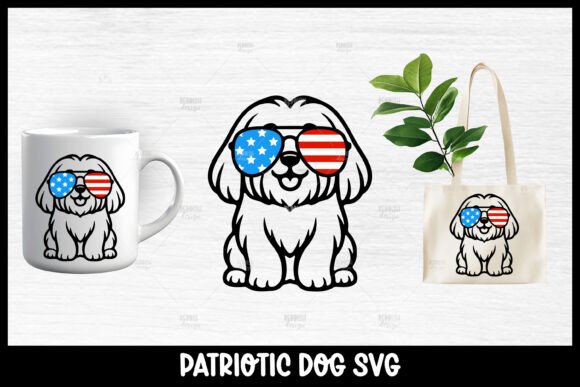
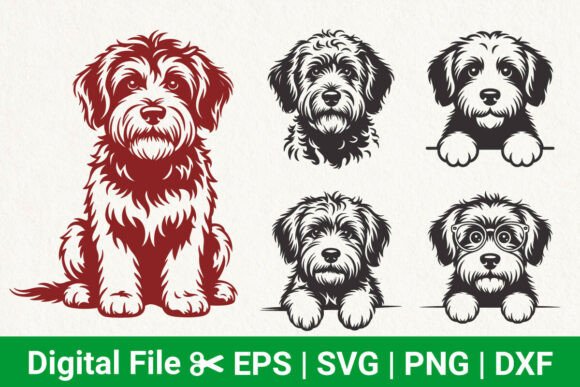
When I first opened the Cute Fluffy Dog Svg, Adorable Puppy Svg file, I immediately noticed how the design captures a soft, approachable mood. The silhouette feels rounded and gentle, with a natural shape that suggests a fluffy coat without relying on overly complex detail. For an embroidery designer, that first read is critical. A design that looks charming on screen can turn into a tangled mess once it hits the needle if the underlying structure isn't clean.
This particular design reads well at a glance. The puppy’s posture is playful yet calm, which gives it broad appeal for baby gifts, pet lover projects, and everyday custom apparel. The layout is centered and balanced, making it easy to place on a shirt front, tote bag panel, or cap crown. The theme is universal enough to work for both personal projects and commercial inventory.
The detail level sits in a sweet spot. It is detailed enough to feel like a real illustration, but not so intricate that it will cause trouble in a standard hoop. That matters when you are stitching multiple units for a small shop or an Etsy seller trying to keep production speed reasonable.
A Real Project: Custom Tote Bags for a Pet Boutique
I recently used the Cute Fluffy Dog Svg, Adorable Puppy Svg to create a run of custom tote bags for a local pet boutique. The client wanted something that felt warm and handmade, something that would appeal to customers buying premium dog treats and toys. I digitized the design into an embroidery file and tested it on a medium-weight cotton tote bag.
The first thing I noticed during stitching was how well the shape held together. The fill areas remained smooth, and the outline, which I ran as a satin stitch, gave the puppy a crisp edge. I used three thread colors: a warm cream for the body, a soft brown for the ears and nose, and a dark charcoal for the eyes. The result looked like a small illustration stitched into the fabric. When the boutique owner saw the sample, she immediately ordered two more dozen bags for her holiday display.
This is the kind of reaction that tells me a design has real commercial potential. Customers want something that looks thoughtful, not generic. The adorable puppy SVG delivered that feeling without requiring excessive stitch counts or complex underlay.
How the Design Performs on Different Products
In my shop, I test every machine embroidery design across several product types before offering it to clients. Here is how the Cute Fluffy Dog Svg performed in real use cases:
- Custom apparel: On a sweatshirt, the design sat beautifully on the left chest. The stitch density was moderate enough that the fabric did not pucker. I used a medium-weight cutaway stabilizer, and the result held up through several washes.
- Baby clothes: I stitched it onto a onesie as a personalized gift. The design is small enough to fit a 4x4 hoop, which is ideal for baby items. The soft curves worked well with the stretchy knit fabric.
- Embroidered patch: I created a few patches using a felt base and a tight fill stitch for the body. The design translated well to a standalone patch format. The edges were clean, and the fluffy look remained intact.
- Pillow covers: On a linen pillow, the design added a cozy, handmade touch. The applique design approach would also work well here for a larger version.
- Kitchen towels: I tested a small version on a tea towel. The running stitch details in the face stayed legible even at a reduced size. This would be a strong option for holiday gifts or craft fair items.
For craft business owners, this design offers flexibility. It can be used on low-cost blanks for higher margins, or on premium items like bamboo baby blankets for a more luxurious feel. The graphics file itself is clean, which makes printable mockup creation straightforward for listing photos.
Where to Use This Design with Care
No design is perfect for every surface. Here are the situations where I recommend caution with this adorable puppy SVG:
- Small hoop sizes: If you are working in a 3x3 hoop, the smaller details like the eyes and nose may lose definition. I suggest testing a scaled-down version on scrap fabric before stitching a finished product.
- Textured fabrics: On heavy fleece or bouclé, the stitch density may cause the design to sink into the fabric. Use a firmer stabilizer and possibly a topper to keep the stitches visible.
- Stretchy fabrics: On lightweight knits or ribbed cuffs, the design can distort if the fabric is not properly stabilized. Always test with a tear-away or cutaway stabilizer depending on the stretch level.
- Dark fabrics: The design relies on soft, light colors to create the fluffy feel. On black or dark navy fabric, consider using a white or cream underlay to prevent the background from showing through.
- Curved surfaces like caps: The shape of the design is somewhat wide, so on a cap front, you may need to scale it down to fit within the curved hoop area. Test the placement carefully.
- Dense stitch areas: If you increase the size significantly, the fill stitch areas will become denser. This can cause thread breaks or fabric puckering. I recommend keeping the design within a 4x4 to 5x7 hoop range for best results.
For commercial embroidery runs, these considerations matter even more. A design that works on a single sample may fail at scale if you do not account for fabric variation. Always run a small batch test before committing to a large order.
Visual Appeal, Product Value, and Customer Trust
The Cute Fluffy Dog Svg has a strong visual personality. It feels soft and friendly without being cartoonish. That gives it a wider audience than a more stylized design might have. When customers see a finished product, they often comment on how the stitching makes the puppy look textured and fluffy. That tactile quality is hard to achieve with print alone.
For handmade product sellers, this translates directly to perceived value. A tote bag with this design can sell for a higher price point than a plain bag because the embroidery feels premium. The design also works well for personalized gifts, where the recipient’s name or a small message can be added nearby. I have used it for baby shower gifts, holiday presents, and even a wedding gift for a couple who adopted a puppy.
Brand consistency is another factor. If you run a small shop that focuses on pet-themed merchandise, this design fits naturally into your lineup. It does not clash with other styles, and it looks professional enough for boutique branding. The design assets are easy to work into mockups, social media posts, and listing photos.
Buyer engagement also improves with designs like this. I have noticed that products featuring animals, especially puppies, tend to get more saves and shares on platforms like Etsy. The emotional connection is instant. When a design translates well into embroidery, that connection becomes even stronger because the buyer sees the care in the stitching.
Practical Embroidery Designer Notes
Before you commit to a full production run with this digital embroidery file, here are a few steps I always follow:
- Test on scrap fabric first. Use the same fabric type you plan to use for the final product. Check the stitch quality, thread tension, and fabric behavior.
- Check thread color contrast. The fluffy look works best with at least two shades of the same color family. Test your chosen thread palette against the fabric color.
- Review stitch density. If the design feels too dense, consider reducing the density in your software or increasing the size slightly to spread out the stitches.
- Confirm hoop size. Make sure the design fits comfortably within your hoop with at least half an inch of margin on all sides. A tight fit can cause registration issues.
- Inspect small details. The eyes and nose are small but important. If they are too small for your machine, enlarge the design slightly or simplify those elements.
- Test in black and white mockups. This helps you see the contrast and shape without color distraction. It is especially useful for checking whether the design reads well as a silhouette.
- Compare light and dark fabric backgrounds. The same design can look very different on white versus black fabric. Adjust your thread colors accordingly.
- Use proper stabilizer. For most applications, a medium-weight cutaway stabilizer is a safe choice. For delicate fabrics, use a tear-away with a topper.
- Check licensing before selling. The product description says this design is for Crafts and Graphics and is compatible with cutting machines. Before you sell finished items or digital product previews, confirm whether commercial use is allowed. If the license is not clearly stated, contact the seller.
- Run a small batch first. If you plan to sell the finished products, stitch at least three samples to ensure consistency. Adjust your settings based on the results.
These steps might seem basic, but I have seen many embroidery projects fail because a designer skipped the testing phase. A little extra time at the front end saves hours of frustration later.
The Bottom Line for Makers and Sellers
The Cute Fluffy Dog Svg, Adorable Puppy Svg is a versatile, commercially viable design that performs well across a range of embroidery project types. It offers a clean shape, a friendly mood, and enough detail to feel polished without causing production headaches. For creative entrepreneurs and hobbyists alike, it is a solid addition to any design library.
Whether you are stitching it onto a baby onesie, a boutique tote bag, or a holiday gift, the design holds its own. It builds customer trust through consistent stitching quality and emotional appeal. If you are an Etsy seller or small shop product maker looking for a reliable applique design or machine embroidery design, this one deserves a test run. Just remember to check your hoop size, stabilizer, and licensing before you start. A well-tested design is the foundation of a successful handmade product line.